This Wednesday, September 30, is the day Google's Android developer verification stops being a background process and starts showing up on people's phones. It begins in four countries, Brazil, Indonesia, Singapore, and Thailand, and expands to certified Android devices worldwide in 2027. (Android Authority)
I flagged the date in the September 18 Android roundup. Here is the fuller picture now that it is here.
What changes for people using Android
For most people, nothing. Apps from registered developers install exactly the way they do today. Google says millions of apps have been registered since verification opened in March, covering nearly all installs from Google Play and a large majority of installs from outside it. (Android Authority)
The change is for apps from developers who have not registered. In those four countries, installing one now means one of two paths:
- An advanced sideloading flow with multiple steps and a mandatory 24 hour lock before the install goes through.
- ADB, the developer command line route, which Google says keeps working the same way. (Gadget Hacks)
The 24 hour wait is the point. Phone scams usually depend on urgency, someone on a call telling you to install an app right now. A forced cooling off period breaks that script.
What changes for developers
- Standard verification reportedly carries a $25 fee and a government ID requirement, per The New Stack as cited by Gadget Hacks.
- Limited distribution accounts, launched in August, are free, need no government ID, and cover up to 20 devices. They are aimed at students and hobbyists.
- Open source stores are worried. F-Droid, which distributes roughly 5,000 free apps, has warned that stricter signature rules could invalidate versions of apps that it and other third party stores sign themselves. There are no documented install failures yet, but it is the part to watch. (Gadget Hacks)
If you are in the United States, nothing changes on Wednesday. It will in 2027.
The other thing porting to Android has taught me
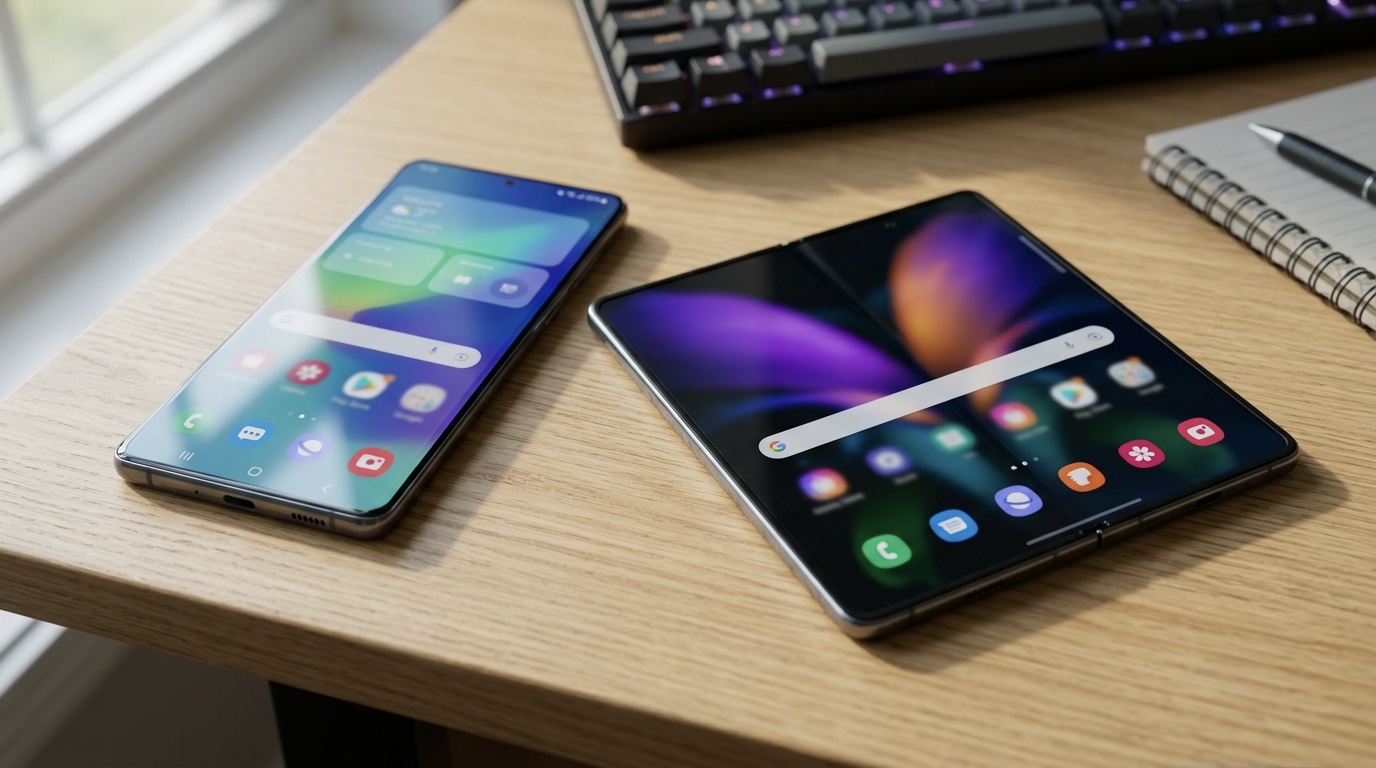
I am porting my iOS apps to Android, and I test on two very different phones, a Pixel 11 Pro XL and a Galaxy Z Fold8. Different form factors catch different layout problems, and on Android I end up tracking a lot more layout details than I do on iPhone.

The bigger surprise has been on-device AI. When I tested DayCast on the Pixel 11 Pro XL, Gemini Nano worked. When I tested Kynd on the Fold8, Gemini Nano came back as unavailable, because that phone is not on Google's allowlist yet. Two high end phones, two different answers.
That lines up with what I wrote in July about Google's on-device AI needing a flagship phone, and Gemini Nano 4 has not changed the math much. Its supported list is short: the Pixel 10 lineup, the Galaxy S26 series, and some high end Oppo, OnePlus, and Xiaomi phones. One analysis from NineTwoThree estimates only 1 to 3 percent of active Android devices qualify. Treat that as an estimate, but the direction is clear. (NineTwoThree)
For a privacy first app, "fall back to the cloud" is not an automatic answer, because sending data off the phone is exactly what I am trying to avoid. So on Android, some features run on the device or do not run at all, and the app has to say that clearly instead of breaking.
For the record, I still think SwiftUI is nicer to build with than Kotlin. But every port teaches me something about my iOS apps too.
Also this week
- Google Play Store 53.4 dropped the "Users are saying" header from review summaries.
- Google Play services 26.38 lets you sign into your Google Account directly inside Gemini's in car setup flow.
- Samsung's One UI 9 hit a speed bump for the Galaxy S26. Samsung moved the stable update's date from September 21 to September 28, then replaced it with "within September," with Thailand confirmed affected. Samsung has not explained the delay. (Android Authority)
- Android WebView 155 reworked navigation APIs for thread safety and security. (9to5Google)
Verified September 28, 2026. Enforcement details can change as Google publishes more of the advanced flow. The studio's app lineup is at jcmobileappstudio.com/apps.
Sources: Android Authority, Android Authority, One UI 9 delay, Gadget Hacks, NineTwoThree, 9to5Google
Comments
Be kind and stay on topic.
No comments yet. Be the first.