The first real clinical trial in cats
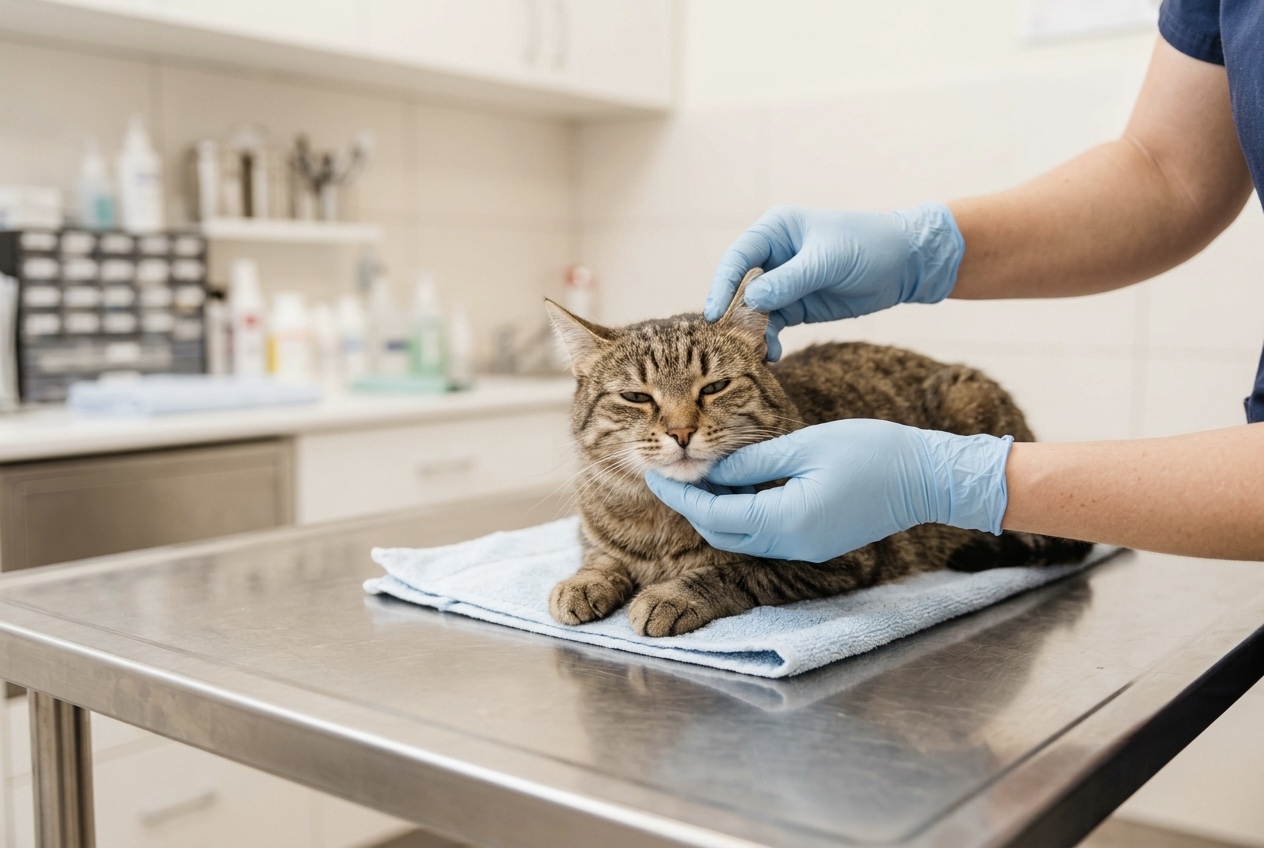
Cornell University's College of Veterinary Medicine and the University of Florida have both begun testing a GLP-1 agonist, the same drug class behind Ozempic and Wegovy in humans, for weight loss in overweight and obese client-owned domestic cats. It's being described as the first clinical trial specifically testing these drugs for feline weight loss, not an approved treatment already on the market. (Smithsonian Magazine) (Cornell CVM)
How it's supposed to work
GLP-1 agonists work by mimicking a gut hormone that signals fullness to the brain, which is why they curb appetite and lead to weight loss in humans on the same class of drug. The theory in cats is similar: help regulate appetite and food intake in a way that diet and exercise changes alone often can't achieve, especially in cats whose weight problems are tied to indoor, low-activity lifestyles.
What's actually proven so far, and what isn't
This is early-stage research, not an FDA-approved feline treatment, and there is no established long-term safety data in cats the way there is in humans. Cat metabolism, kidney function, and body composition are different enough from human physiology that results in people don't automatically transfer. If your vet hasn't brought this up unprompted, that's not them being behind, it's genuinely too early for a general recommendation.
Why feline obesity is the backdrop here
Feline obesity is a real and common problem, and it's linked to diabetes, joint disease, and shorter lifespans, which is exactly why researchers are motivated to find something that works better than "feed less, play more" alone for cats where that hasn't been enough. Vets have been trying to solve this problem for a long time with limited tools, so a genuine new option, if it eventually proves safe, would matter.
What to actually do with this if you have a cat
Nothing changes about how you feed or manage your cat's weight today based on a clinical trial that just started. If your cat is overweight, the conversation to have with your vet is the same one that was true last month: portion control, an appropriate food, and realistic activity, not GLP-1 drugs. If you want to keep an eye on the trend instead of guessing, logging weight over time in something like VitalLedger makes it obvious early whether a change is actually working, before you're relying on memory or a vague sense that "he seems smaller."
General information, not veterinary or medical advice. Talk to your vet before changing anything about your pet's care. See also four new canine health studies getting funded this year. You can see what this studio builds at jcmobileappstudio.com/apps.
Comments
Be kind and stay on topic. Comments are reviewed before they appear.