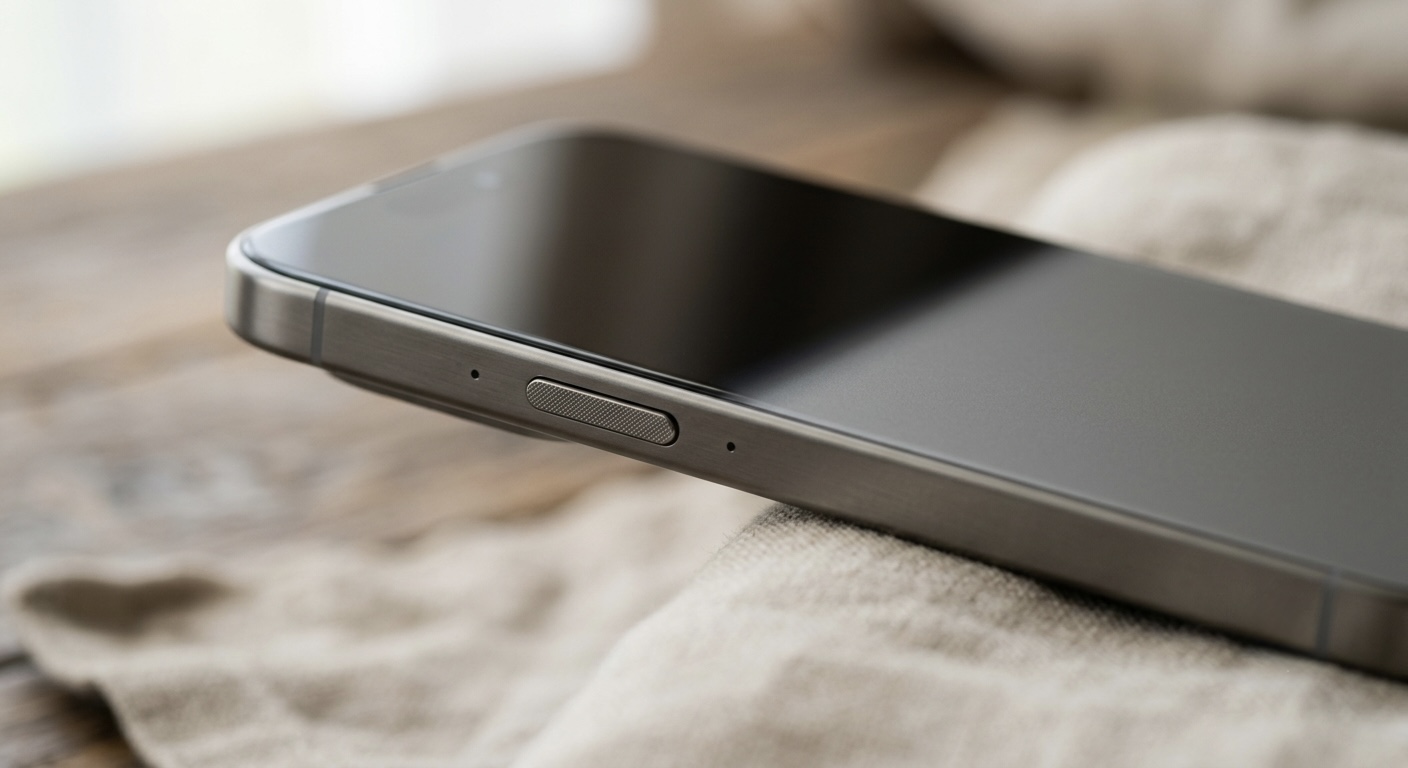
If you buy a new phone in the US, there is a good chance it has no SIM tray at all. Apple went eSIM-only on US iPhones back in 2022, and more phones across brands have followed. The little plastic card you used to pop out with a paperclip is being replaced by an eSIM, an embedded SIM built into the phone that you activate in software. People hear "no SIM slot" and assume they have lost something. Mostly, you have not. Here is what actually changes.
What an eSIM even is
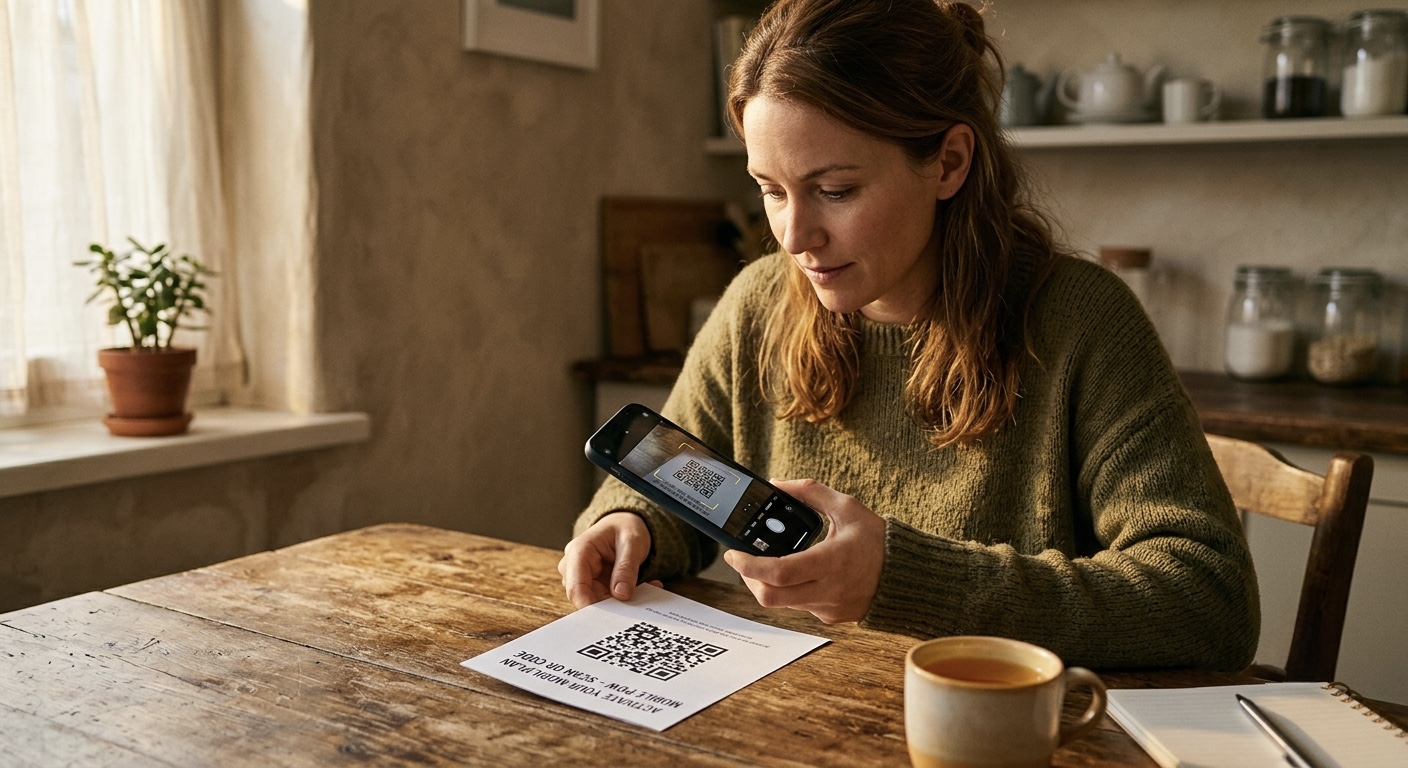
A SIM card is just the chip that tells the network who you are so it can connect your phone to your plan. An eSIM does the exact same job, it is just built into the phone permanently instead of being a removable card. Activating a line means downloading a profile from your carrier, usually by scanning a QR code or tapping through the carrier's app, rather than physically sliding a card into a slot. Once it is on there, it works identically. Calls, texts, and data do not know or care that there is no plastic involved.
Activating and switching gets faster
This is the part that is genuinely better. Setting up a new line used to mean waiting for a card in the mail or standing at a store counter. With eSIM, you can often activate a plan in a few minutes from your couch, and many carriers can transfer your existing number to a new phone during setup with a couple of taps. Switching carriers is easier too, because you are not waiting on shipping or hunting for a paperclip, you just add the new carrier's eSIM and, if you want, keep the old one around while you test coverage.
Phones can hold several eSIM profiles and run two at once, so a work number and a personal number on one phone, which used to require a special dual-SIM model, is now just a setting.
Travel is where it really shines
This is my favorite part. The old options abroad were bad: pay your home carrier's ugly roaming rates, or find a shop in a foreign country to buy a local SIM and swap your card out, losing your normal number in the process. With eSIM, you just buy a travel data plan from an eSIM app before you even land, install it, and switch to it when you arrive, all while keeping your regular number active on your other eSIM line for texts and calls. It is cheaper than roaming and far less hassle than hunting for a SIM kiosk in an airport at midnight.
The one real downside to plan around
Here is the honest catch. Because the SIM lives inside the phone, you cannot just pop it out and slide it into a spare phone in an emergency. If your phone dies, breaks, or gets stolen, moving your line to a backup device means going through your carrier to re-provision the eSIM rather than doing a ten-second card swap. It is not hard, but it is a phone call or an app flow, not a physical move, and it is worth knowing before you are standing there with a cracked screen. There are also still some smaller prepaid and international carriers that are slow to support eSIM, so if you rely on one of those, check before you buy an eSIM-only phone.
A couple of practical habits cover most of this. Know your carrier's account login before you travel or upgrade, so you can re-provision a line from anywhere. And if you keep an old phone as an emergency backup, remember that getting your number onto it is now a carrier step, not a drawer-and-paperclip step.
Bottom line
Losing the SIM tray sounds like a downgrade and mostly is an upgrade. Activating and switching get faster, two numbers on one phone becomes a setting, and international travel gets dramatically cheaper and simpler. The only real tradeoff is that moving your line to a backup phone is now a carrier step instead of a card swap, so keep your account login handy. Otherwise, the little plastic card is one of those things you will not miss once it is gone.
General information about mobile technology, verified July 23, 2026. Carrier support for eSIM varies, so check with yours before switching phones. For the studio's privacy-first, on-device apps, the full lineup is at jcmobileappstudio.com/apps.
Comments
Be kind and stay on topic. Comments are reviewed before they appear.