What actually happened
On June 29, 2026, the Council of the EU gave the final green light to a package it describes as a move to simplify and streamline the digital rulebook, part of what Brussels calls the Digital Omnibus. The headline for AI is not a new rule. It is a delay. (EU Council)
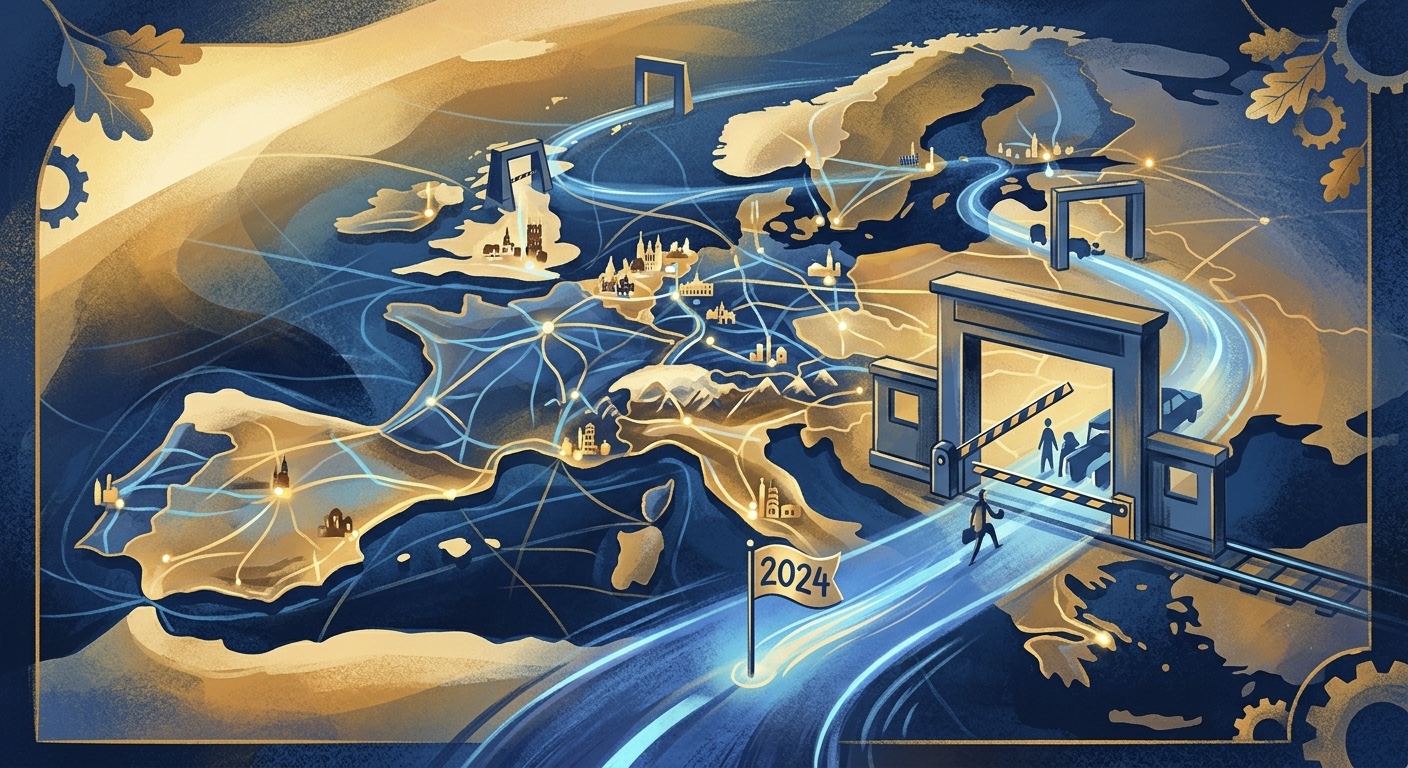
The obligations for high-risk AI, the systems that decide things like who gets a loan, who gets shortlisted for a job, or how a piece of critical infrastructure runs, were due to take effect on August 2, 2026. Under the new package, standalone high-risk systems now have until December 2, 2027, and high-risk AI built into regulated products, think medical devices, machinery, and vehicles, has until August 2, 2028. That is a delay of roughly sixteen months on the part that was meant to do the most work. (White & Case)
What got pushed, in plain terms
High-risk is the heart of the AI Act. These are the uses where a bad model can quietly ruin a real person's month, a wrongly denied loan, a hiring filter that screens you out, a benefits system that flags you as fraud. The Act's whole promise was that companies deploying those systems would have to document them, test them for bias, keep a human in the loop, and register them. All of that is what just moved from this summer to late 2027 and 2028.
The transparency piece got softer too. The rule that would require AI generated images, audio, and video to carry a machine readable label, the watermarking requirement, now gets a grace period until December 2, 2026 for systems already on the market. In an election-heavy stretch where synthetic media is a genuine problem, that is not a small footnote. (Gibson Dunn)
Why they blinked
Here is the part both sides tend to skip. The most honest reason for the delay is boring and real: the official technical standards that companies were supposed to follow were not finished. You cannot fairly enforce a rule when the checklist for passing it does not exist yet. Brussels wrote the law before the industry, and its own standards bodies, had figured out how compliance would actually work. Faced with a deadline nobody could realistically meet, the EU bought time. That is a defensible call.
The less honest reason is the one you hear louder: a competitiveness panic that Europe is falling behind the United States and China, and a wave of lobbying arguing that any rule at all is a tax on innovation. That argument proves too much. Plenty of hard things get regulated before they are convenient to regulate, and the "we cannot afford rules if we want to compete" line is exactly what you would expect the largest AI companies to say, because slower rules are cheaper for them. A legitimate standards problem got bundled with a political mood, and the mood did some of the driving.
It is not all a rollback
The same package that delayed the big stuff also added a real protection. It writes a new prohibition into the Act against AI systems designed to generate non-consensual intimate imagery and child sexual abuse material, with compliance required by December 2, 2026. That is a meaningful, specific ban on one of the ugliest things this technology enables, and it is worth naming plainly instead of pretending the whole update was a giveaway. (White & Case)
The critics have a point too
Digital rights groups are not buying the "just a simplification" framing. European Digital Rights, one of the main civil-society voices in Brussels, calls the Digital Omnibus a major rollback of digital protections and argues the process was heavily shaped by Big Tech lobbying. Their core worry is simple: every deadline that slips is more time regular people spend interacting with high-stakes AI that has no legal duty to be documented, tested, or accountable. (EDRi)
Both things are true at once. The standards really were not ready, and the delay really does leave you less protected in 2026 and most of 2027 than the law originally promised. Refusing to hold both ideas in your head is how you end up cheering or panicking instead of understanding.
What this actually means for you
If you live outside the EU, this changes nothing directly, and even inside it, the practical effect is that the loan-decision and hiring-filter safeguards you may have expected next month are now more than a year out. The bigger lesson is one worth internalizing wherever you live. Regulation is a slow, negotiable, movable thing. The AI Act is the strongest law of its kind on earth, and its most important deadline still slid by sixteen months under pressure. Any plan for your own privacy that depends on a government hitting a future date is a plan built on sand.
The protection you actually control is upstream of all of it: what you choose to hand over, and to whom. A rule that a company must document its model is good. A situation where your data never left your device in the first place is better, because there is nothing to document, delay, or walk back. That is the whole reason we build the way we do. Laws are a backstop, not a bodyguard, and it is worth watching how quickly a landmark one can be softened.
For more on the plainer side of this, see What on-device AI means and Encryption explained. You can see what this studio builds at jcmobileappstudio.com.
Comments
Be kind and stay on topic. Comments are reviewed before they appear.