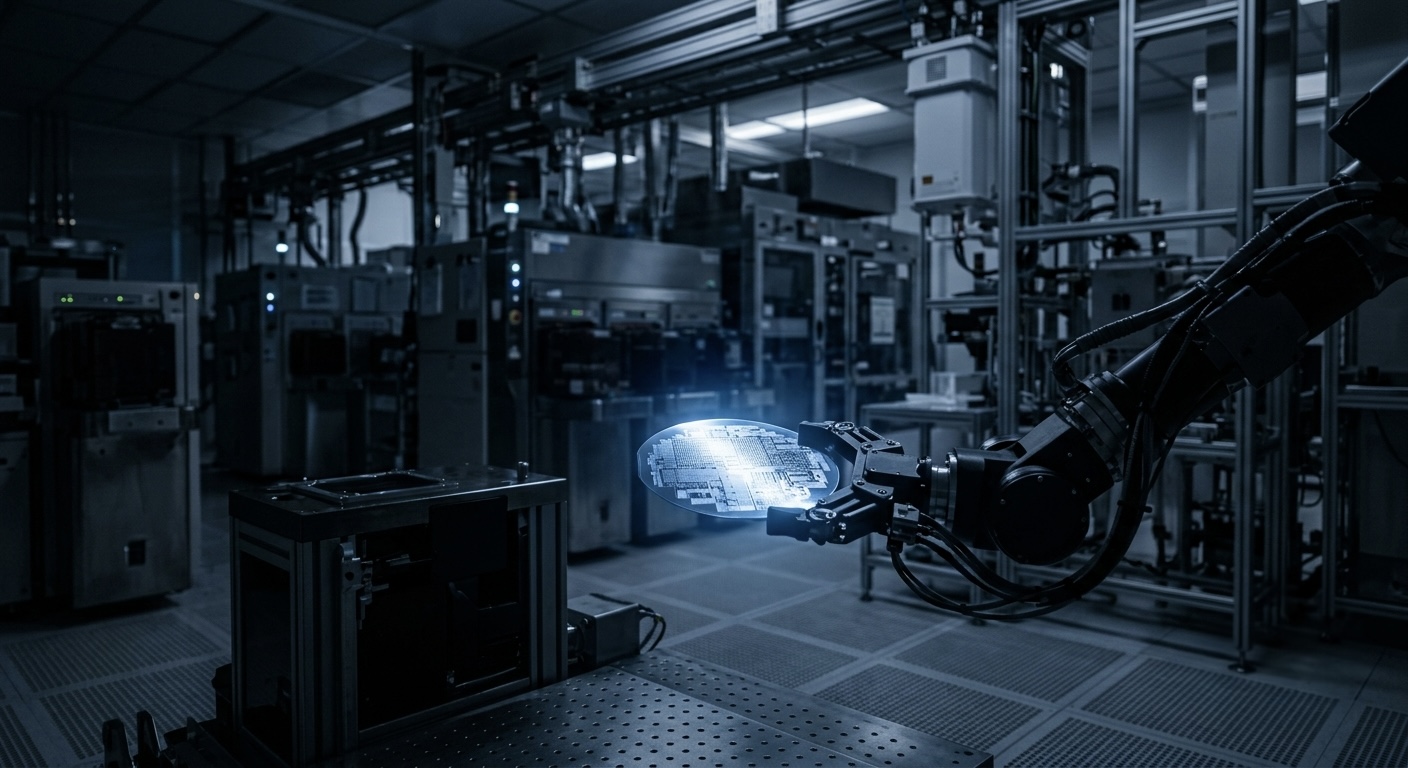
Quick housekeeping before the main story. Apple's been dealing with a flood of AI-generated bug reports lately, most of them false positives, and it's forced Apple to start capping how many it accepts from any one source, per the Financial Times. Separately, Forbes is now pointing to September 9 as the likely iPhone 18 Pro reveal date, and Bloomberg says Mac waiting lists have stretched into September because Apple can't build MacBooks fast enough to keep up with demand. Small stuff, but it's the kind of week where supply chain problems keep showing up in the Apple news cycle, which is a decent segue into the bigger supply chain story.
Because the real story this week isn't in Cupertino. It's in the chip war between the US, China, and the one company sitting in the middle of it that almost nobody outside tech circles has heard of.
Huawei built a phone chip without the tools it's not allowed to have
Huawei's newest flagship, the Mate 80 series, runs on a chip called the Kirin 9030. Standard version has 12 cores, the Pro version has 14, up from the 8-core Kirin 9000 Huawei was stuck on back in 2020 after the US blacklist cut it off from the global chip supply chain.
Here's what makes the 9030 notable. It's built on SMIC's N+3 process, China's most advanced domestic node, using equipment SMIC stockpiled before 2022 plus tools built inside China since. No US or Dutch export licenses involved. That's the whole point Beijing wants people to notice, China can still move its chip technology forward even while locked out of the best manufacturing equipment in the world.
But don't mistake progress for parity. N+3 sits somewhere between 7 nanometer and 5 nanometer, and it gets there through a workaround, not a breakthrough. SMIC is squeezing more density out of older deep ultraviolet lithography by running the wafer through the machine multiple times, called multi-patterning, instead of using the single-pass extreme ultraviolet machines that TSMC and Samsung have had for years. It works, but it's expensive, slower, and the yields are shakier. Analysts who've torn the chip down say N+3 is "substantially less scaled" than TSMC and Samsung's real 5nm nodes, and future gains for SMIC are going to come from clever chip design and packaging tricks, not from actually catching up on the process itself.
So the honest read: Huawei proved it can keep shipping newer, faster chips under sanctions. It has not proven it can build a chip that competes with what Apple or Nvidia put out. Those are two very different claims, and a lot of headlines this year have blurred them together.
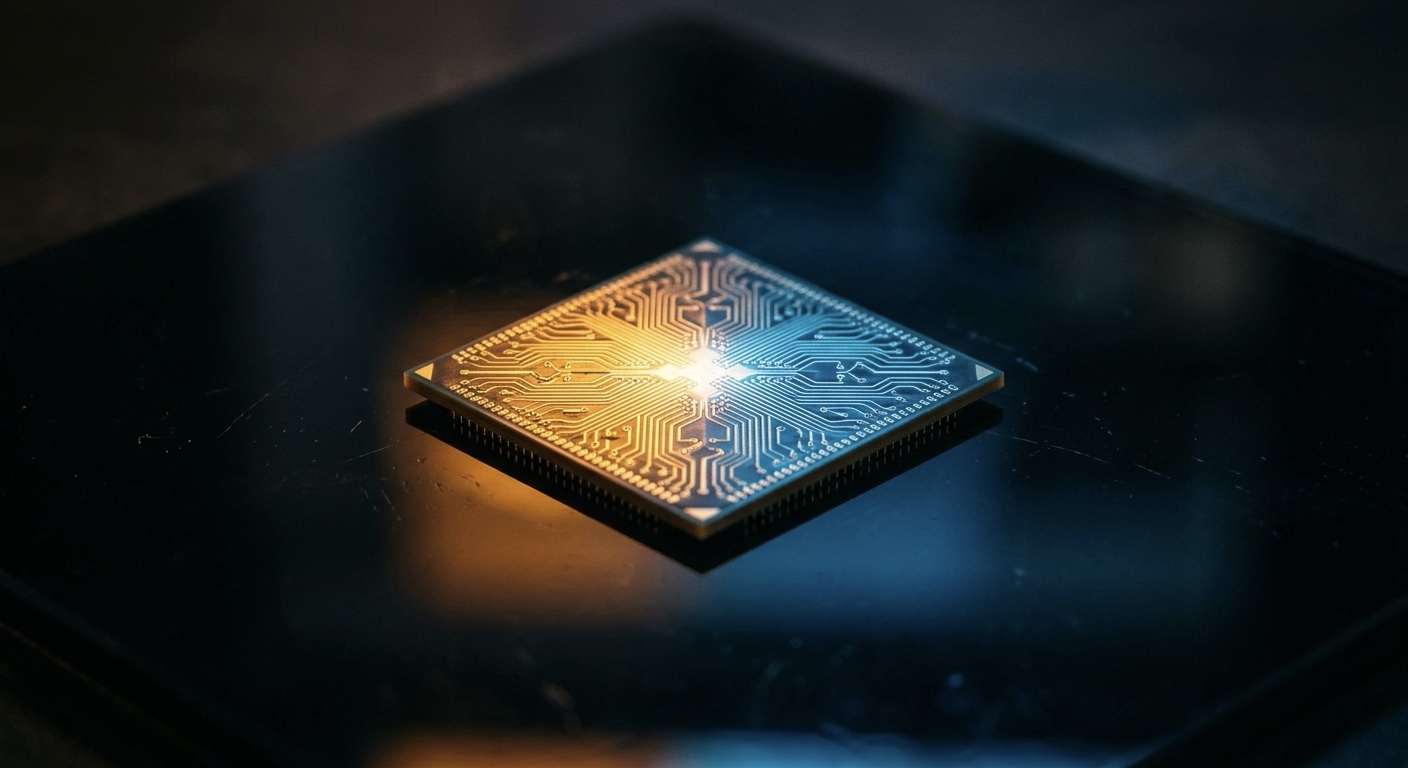
TSMC doesn't make the machines either, and that's the actual chokepoint
Here's the part that surprises people. TSMC is the most important chipmaker on earth, it fabs the processors inside your iPhone, your Nvidia GPU, basically every cutting-edge chip that matters, and TSMC doesn't build the machines that make those chips. Nobody does, except one company.
That company is ASML, based in the Netherlands, and it is the only maker of extreme ultraviolet lithography machines on the planet. Every advanced chip TSMC, Samsung, or Intel produces traces back to EUV tools ASML spent roughly two decades perfecting. No EUV machine, no cutting-edge chip. Full stop. That monopoly is also why ASML is worth close to $700 billion and is Europe's most valuable public company.
Since the first Trump administration, the US has blocked ASML from selling its EUV systems to China. ASML can still sell older deep ultraviolet machines there, which is about 20 percent of its expected 2026 revenue, but the top-tier EUV gear is off the table entirely. This is the actual lever the US is pulling in the chip war, not chip design bans, not app store fights, a straight-up ban on the one machine that makes the most advanced chips possible.
And it's gotten tense enough that in June, US Commerce Secretary Howard Lutnick said there's evidence one of ASML's EUV machines "may have ended up in China" anyway. ASML pushed back hard, says it tracks every unit it's ever shipped and none are in China. Nobody's proven the claim publicly, but the fact that the US felt it needed to raise it says a lot about how seriously Washington takes this one export rule. A single leaked EUV machine would be a bigger deal to China's chip ambitions than a hundred Kirin chips built the hard way.
What this actually means
Put the two stories together and you get a clearer picture than either one alone. Huawei can absolutely keep innovating around the edges of the ban, brute-forcing progress with older tools and cleverer engineering. What it can't do, at least not yet, is replicate what ASML built over 20 years with a single machine. The real chokepoint in the global chip supply chain isn't a chip company at all. It's a lithography company in the Netherlands that almost nobody outside this industry could name, and a US export rule that decides who gets to use it.
General information, not investment advice. Verified August 2, 2026 (Source). For what one privacy-first indie studio builds instead of chasing the AI arms race, the lineup is at jcmobileappstudio.com/apps.
Comments
Be kind and stay on topic. Comments are reviewed before they appear.