What just launched
OSHA's proposed heat illness prevention standard is not finalized yet, its comment period only closed in June 2026. But the agency is not waiting on the rule to start acting. In July 2026 it launched a National Emphasis Program on heat, directing regional offices to conduct inspections at high-risk sites proactively, without needing a worker complaint to trigger one first. That is a real shift in how enforcement usually works. (Buildermuse)
The specific triggers
The proposed standard sets two thresholds. At an 80 degree heat index, employers have to put initial controls in place. At 90 degrees, it gets a lot more specific, at least one quart of water per worker per hour positioned within 100 feet, shade or air conditioning that is at least 5 degrees cooler than the ambient temperature, and mandatory rest cycles, one minute of rest for every two minutes worked in direct sun, or one minute for every three minutes indoors. New or returning workers also get a five-day acclimatization ramp before being expected to work a full pace in the heat. (Buildermuse)
Why the timeline matters
Employers get 180 days to adopt the mandatory controls once a site is flagged, which pushes real compliance deadlines into early 2027 for anyone caught in this first wave. In the meantime, enforcement is running on the general duty clause, the broad requirement that employers keep a workplace free of recognized hazards, while the specific standard finishes its own path through rulemaking. (Buildermuse)
Why manufacturing floors specifically
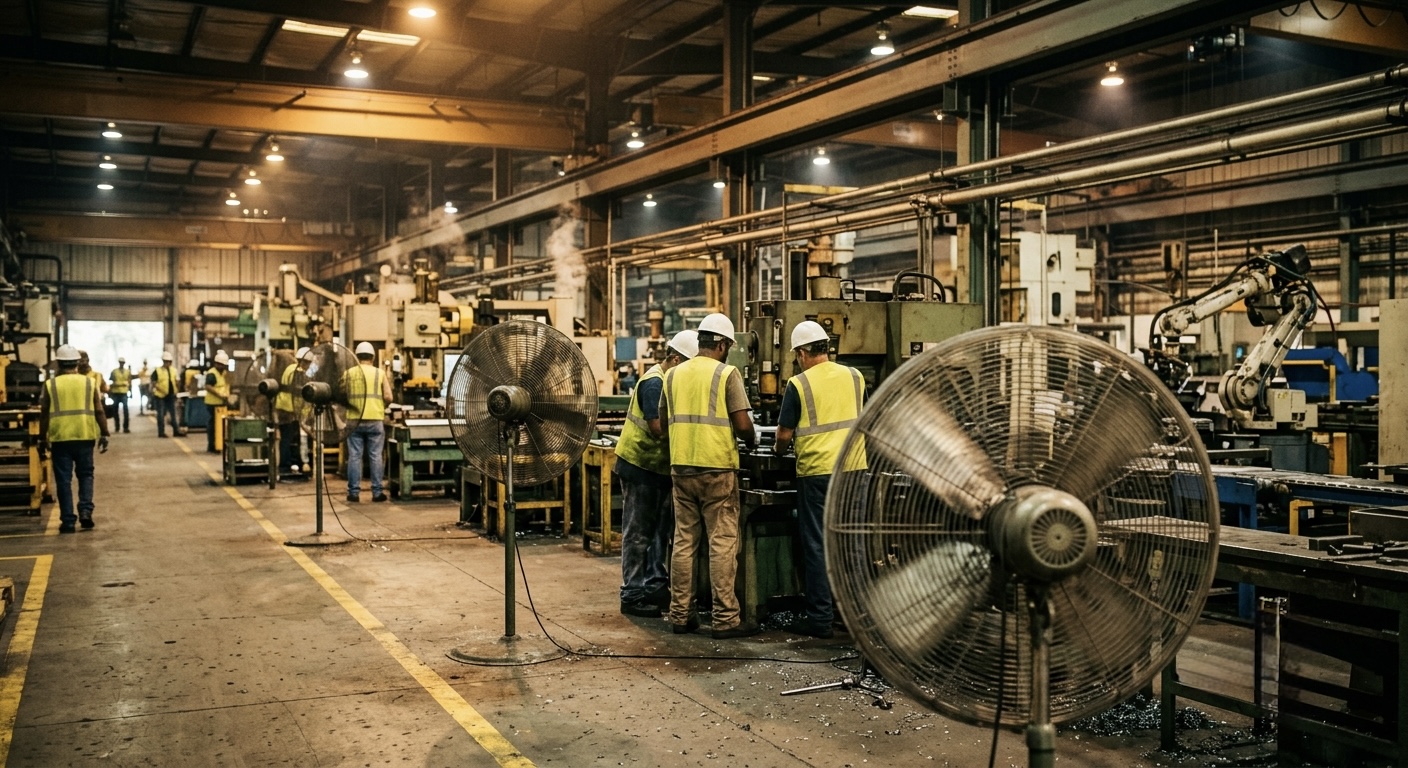
A production floor without climate control, near a furnace, kiln, or line of running equipment, is exactly the kind of environment this emphasis program targets, and it is worth taking seriously even before the standard is final. If you are in HR or safety at a manufacturing site, the practical move right now is not to wait for the rule to be finalized. Start documenting water access, shade or cooling stations, and rest break policies today, because an inspector showing up unannounced is now a real possibility, not a hypothetical one.
General information, not legal advice. For more on how heat rules have played out at the state level, see heat on the job, what your rights actually are. You can see what this studio builds at jcmobileappstudio.com.
Comments
Be kind and stay on topic. Comments are reviewed before they appear.