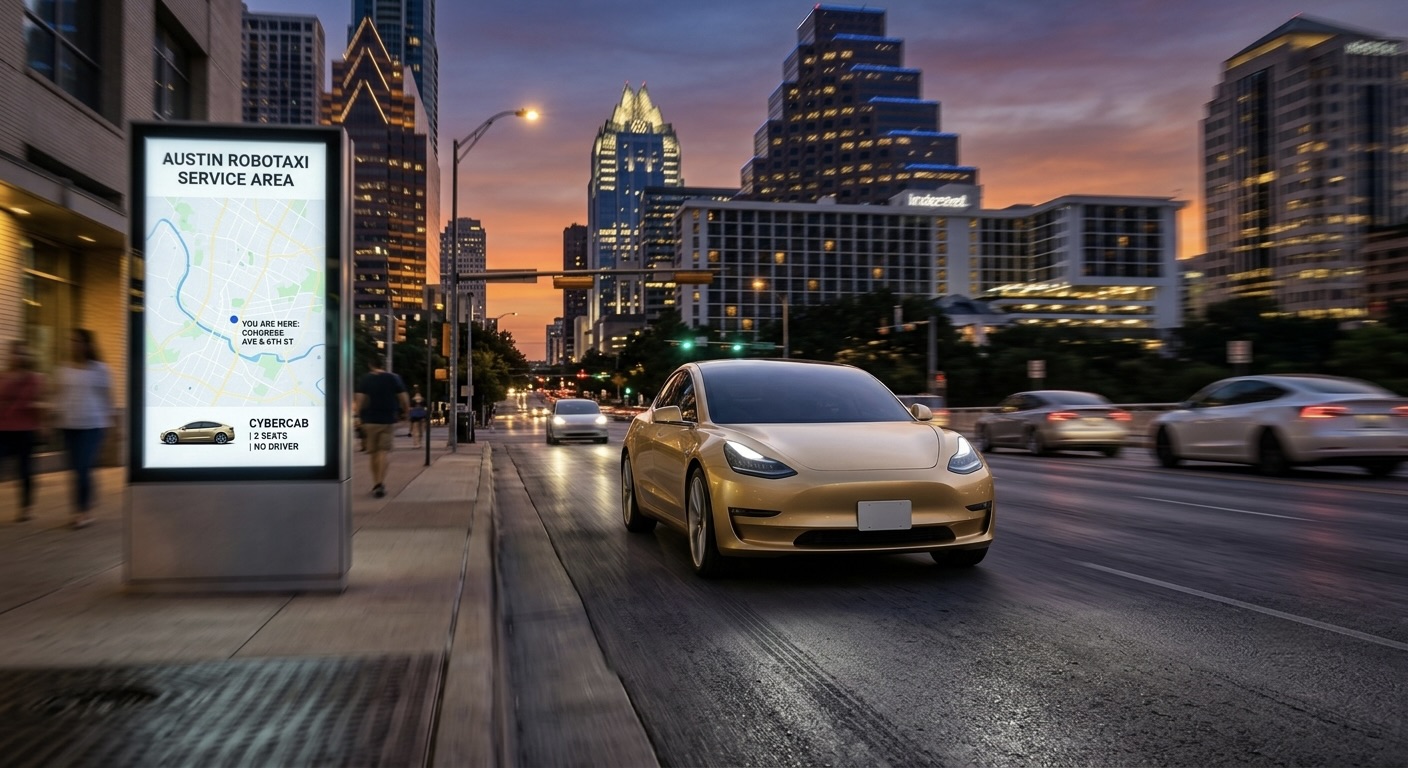
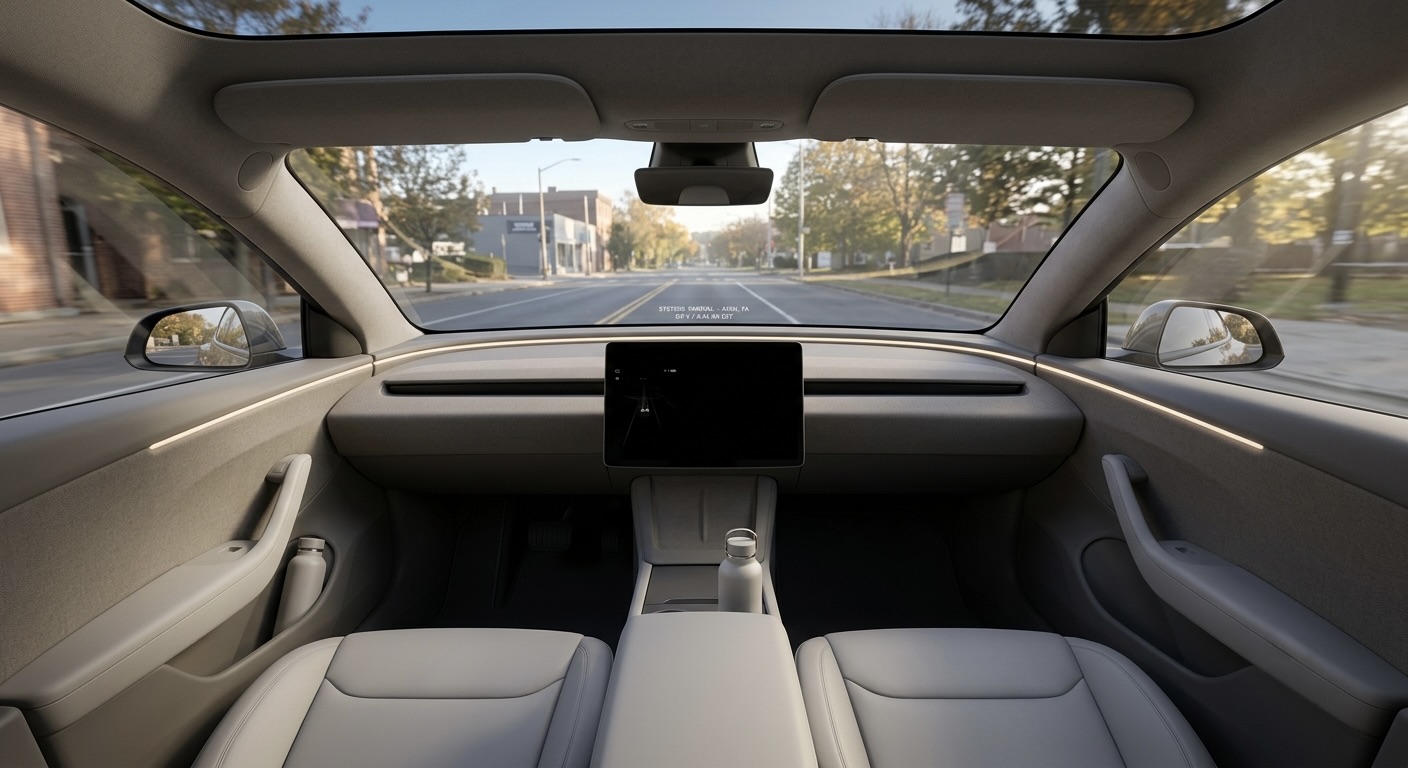
Tesla started putting production Cybercabs on public streets in Austin on September 4, 2026. No steering wheel, no pedals, nothing for a human to grab if something goes wrong. The National Highway Traffic Safety Administration opened a formal investigation the same day.
What the investigation is actually about
This is not a "we are worried about crashes" investigation, at least not yet. NHTSA is specifically looking at how Tesla self certified the Cybercab as compliant with Federal Motor Vehicle Safety Standards, the FMVSS rules that, among other things, generally require manual controls in a vehicle. Tesla apparently determined some of those standards did not apply to a purpose built vehicle with no manual controls at all, and self certified on that basis. NHTSA wants to see the process and technical data behind that call.
Worth knowing, this is not unprecedented. Amazon's Zoox went through a similar review process for its own steering wheel free robotaxi and came out the other side with federal approval in July 2026, after roughly four years in that pipeline. NHTSA's administrator has publicly framed the approach as balancing innovation with safety oversight, not blocking the category outright.
My actual take
I do not think this investigation is a sign Tesla did something obviously reckless, and I also do not think it is nothing. It is the predictable result of a company moving faster than the regulatory framework was built for, which, to be fair, is basically Tesla's entire operating philosophy since the Model S. The interesting tension here is not Tesla versus the government, it is self certification versus a category of vehicle the rules were never written for. FMVSS assumes a human is in the loop somewhere. A Cybercab has no loop for a human to be in. Tesla deciding on its own that certain standards do not apply is a defensible engineering position and also exactly the kind of decision a regulator is going to want to independently verify before thousands of these are on public roads.
Zoox took four years to get to yes. If Tesla's timeline compresses that significantly, that is either a sign the regulatory process is maturing and getting faster for a now familiar category, or a sign Tesla is moving through the review with less scrutiny per vehicle than the first mover did. I genuinely do not know which yet, and neither does anyone writing hot takes about this the day it happened. That is worth being honest about instead of picking a side for engagement.
Why this matters beyond Tesla
This is the same question autonomous vehicles have been circling for a decade, who is accountable when there is no human to hand control back to, and how much do we trust a company's own testing when the vehicle physically cannot fail over to a person. Every company shipping this kind of vehicle is going to hit this exact wall eventually. Tesla is just the one hitting it in public this week.
I will follow this one as it develops, particularly whether NHTSA's findings, whenever they land, end up shaping how the next few companies in line self certify their own robotaxis.
Details here reflect NHTSA's investigation opened September 4, 2026 and reporting around it (Source). Any claims about Tesla's compliance process are allegations under review, not established findings. Verified September 6, 2026. If you would rather use apps built by one person with no cloud backend required, the full lineup is at jcmobileappstudio.com/apps.
Comments
Be kind and stay on topic. Comments are reviewed before they appear.