A first for platform work
The ILO adopted Convention 193 last month, the first international legal instrument regulating digital platform work, covering roughly 400 million platform workers who were previously invisible under algorithmic management and misclassification.
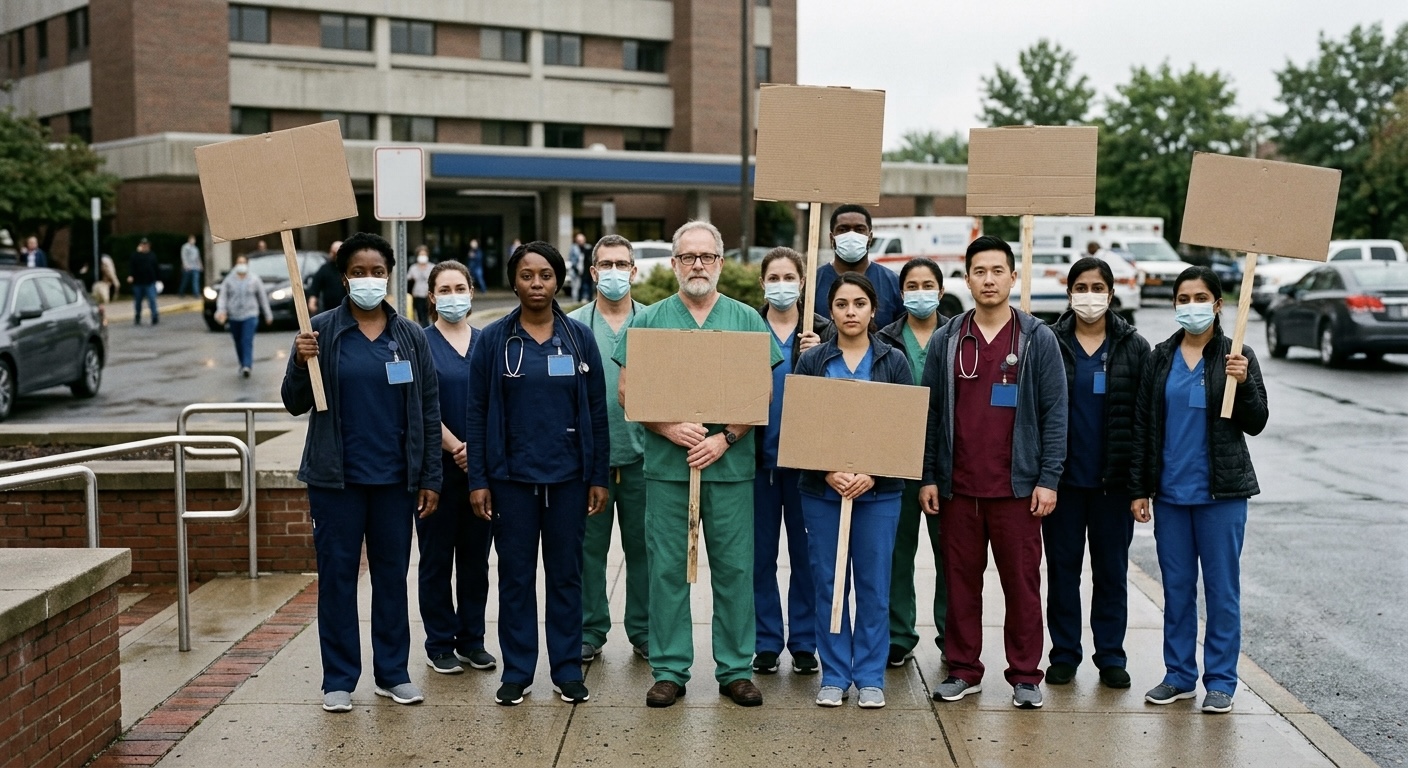
Nurses locked out after a near unanimous strike vote
Over 4,000 nurses at Brigham and Women's Hospital were locked out by management after a one day strike, with 99.6% of members having voted to authorize it. Separately, more than 20 AFGE and NFFE union affiliates sued the Department of Defense over Defense Secretary Hegseth's memo directing agencies to terminate collective bargaining agreements.
Scheduling notice violations cost real money
In New York, Walgreens and other companies agreed to a $2.1 million settlement for failing to give workers 72 hours advance notice of schedules, part of a broader wave of state level action on pay transparency, wage payment, worker classification, non-competes, and AI-enabled workplace decisions.
My take
As someone who works in HR, the Brigham and Women's lockout stands out the most. A 99.6% strike authorization vote is not a group of workers bluffing, that number tells you leadership badly misjudged how far staff would go, and locking nurses out in response rarely plays well publicly. The ILO Convention 193 news is the bigger long term story though, platform work has operated in a regulatory gray zone for over a decade, and having an actual international instrument on the books gives workers and governments something concrete to point to. On the scheduling notice front, the Walgreens settlement is a good reminder that predictive scheduling laws have real teeth now, this is not just a policy on paper, companies are actually paying out for violations.
You can find everything this studio builds at jcmobileappstudio.com/apps.
Comments
Be kind and stay on topic. Comments are reviewed before they appear.