
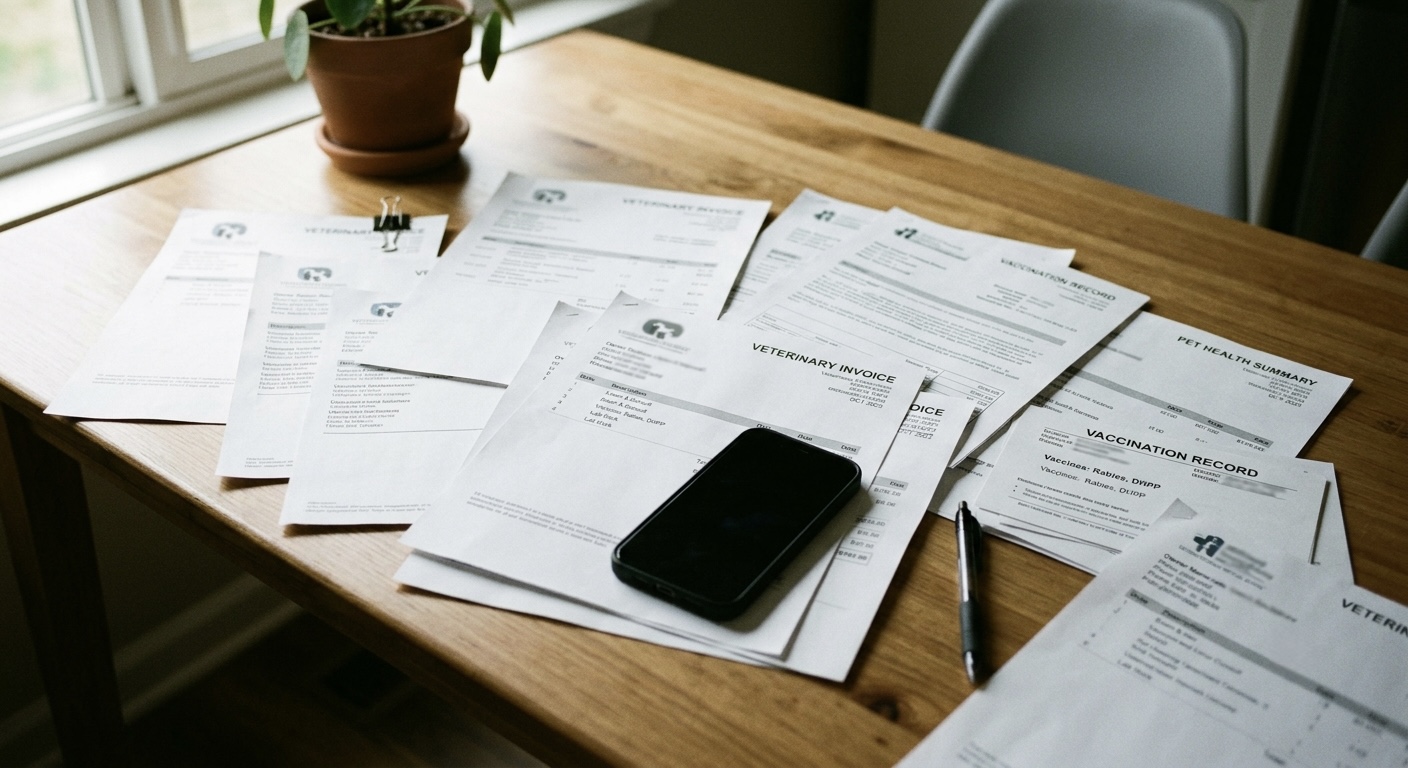
I have two dogs, Sophie, a Shih Tzu with opinions, and Luna, a Mini Goldendoodle who thinks every stranger is her long-lost best friend. Between them there is a running pile of health stuff: vaccine dates, a couple of medications, weight check-ins, vet invoices, the name of that one flea preventive that actually worked. And until I got organized, all of it lived in the worst possible place: scattered across emails, a folder in a drawer, and my unreliable memory. If that sounds familiar, this one is for you, because scattered pet records are not just annoying, they cost you at the exact moments you can least afford it.
Where the mess actually bites you
You do not feel the disorganization day to day. You feel it in four specific situations, and they are always inconvenient. The new vet or specialist asks for history the moment you walk in, and if you cannot produce it, you are paying for tests and guesses that a good record would have answered for free. The boarder, sitter, or groomer requires proof of vaccines before your dog walks in the door, and without dated records you are frantically calling the old vet at 7 a.m. while your travel plans hang in the balance.
The emergency is the big one. At 2 a.m. in an emergency clinic, a stressed, panicking version of you is trying to remember your dog's weight, whether that lump was checked last year, what medication they are on and at what dose. The emergency vet is making fast decisions, and the quality of those decisions depends partly on the history you can hand them. And then there is money: when you cannot see your own spending, you cannot manage it. Pet costs creep, and without a running total you have no idea what your animal actually costs until a surprise bill tells you.
What a good record actually contains
You do not need anything fancy. A genuinely useful pet record has a handful of things, kept current: vaccines with dates and due dates, so you know what is covered and what is expiring. Medications with dosages, so anyone caring for your pet can give the right amount. Weight over time, because a slow change is one of the earliest signals that something is off. Vet visits and what was found, so you are not re-explaining history every appointment. And expenses, so you can see what you are spending and plan for it. That is the whole list. The magic is not in the categories, it is in having all of them in one place instead of five.
The sitter card nobody thinks to make
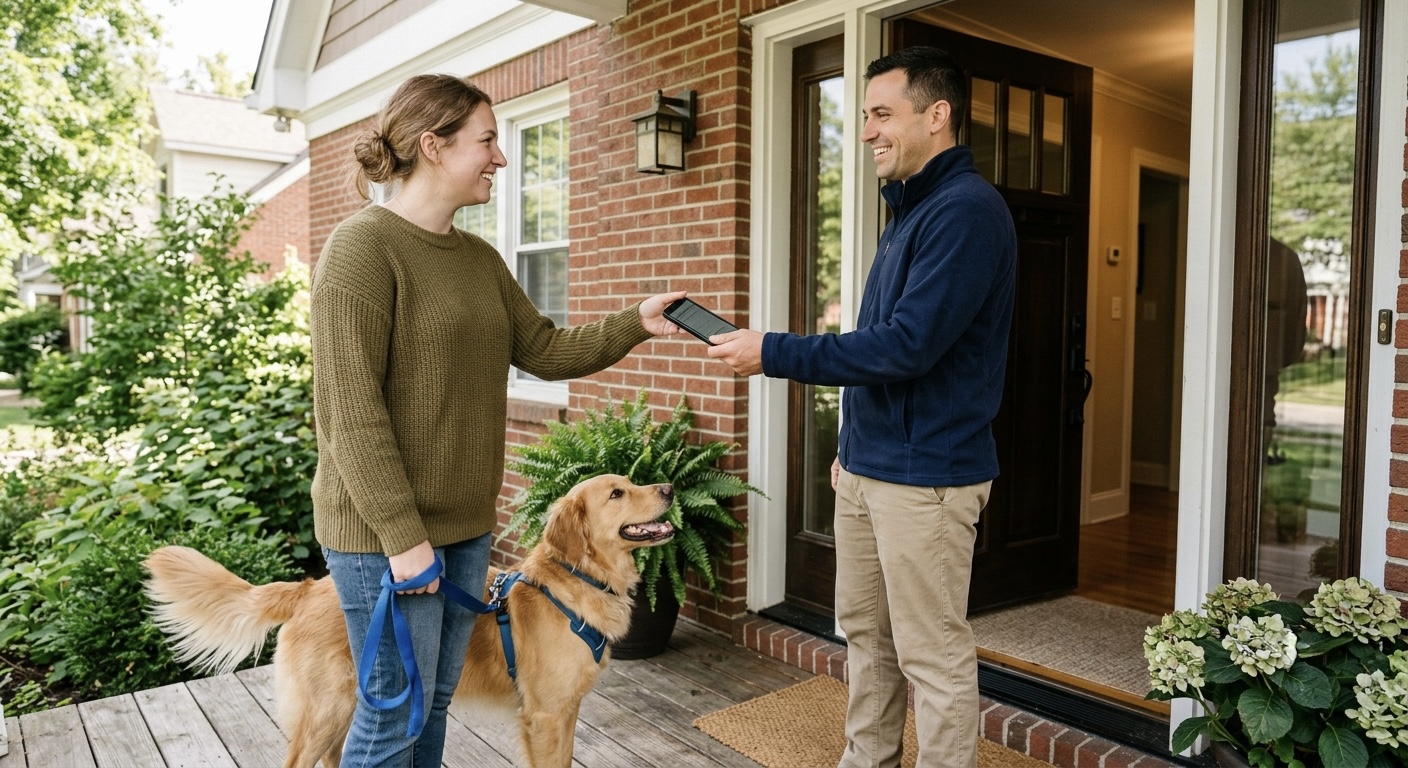
Here is the one upgrade that punches way above its weight. Make a single, shareable summary, an "if you are watching my dog, here is everything you need" card. Name, weight, meds and doses, allergies, vet's phone number, emergency clinic, feeding notes, and any quirks. Hand it to a sitter, a boarder, or a friend, and you have removed the frantic-text-from-vacation problem entirely. The old way was a printed sheet on the fridge. The better way is something you can share as a link or a code so the person watching your dog has it on their phone, up to date, without you digging through a drawer.
Just start with the next appointment
If your records are a mess right now, do not try to reconstruct five years of history in one sitting. Start forward. At the next vet visit, ask for a printout or digital copy of the current vaccine record and recent notes, and put it in one place. Snap a photo of the medication labels. Write down the weight. From there, you just add each new visit as it happens, and within a year you have a complete, current record built almost entirely out of appointments you were going to have anyway.
Bottom line
Scattered pet records feel harmless until the day they are not, the new vet, the boarder at the door, the 2 a.m. emergency, the spending you cannot see. Keep vaccines, meds, weight, visits, and costs in one place, make a shareable summary for whoever watches your animal, and build the whole thing forward starting at the next appointment. Sophie and Luna do not care that their paperwork is organized. But the version of me standing in an emergency clinic someday absolutely will.
General information, not veterinary advice. For anything medical, ask your vet. Verified July 23, 2026. Keeping all of this, vaccines, meds, weight, vet visits, expenses, and a shareable sitter card, in one private place on your phone is exactly what VitalLedger does, part of the studio's lineup at jcmobileappstudio.com/apps.
Comments
Be kind and stay on topic. Comments are reviewed before they appear.